
improve conversion yields, and enhance profitability across the complete value chain.
About Our Enzymes & Bioproducts
and product performance across the complete bioprocessing value chain.
Process Expertise
Deep understanding of liquefaction, saccharification, fermentation, and distillation stages
Advanced Enzymes
Cutting-edge enzyme technologies for optimal starch conversion and sugar release
Higher Recovery
Consistently achieve higher alcohol recovery per ton of grain feedstock
Quality Assurance
Enhanced DDGS quality and nutrient profile for better coproduct value
Services in Enzymes & Bioproducts
Specialized enzyme and bioproduct solutions, tailored to the unique process and performance requirements of diverse industrial bioprocesses.
Liquefaction Enzymes
Liquefaction enzymes for grain-based ethanol distilleries play a critical role in breaking down gelatinized starch into dextrins during high-temperature cooking. Efficient liquefaction ensures smooth mash handling, improved starch availability, and stable downstream saccharification and fermentation.
Industry Challenges
- High mash viscosity leading to poor heat transfer
- Incomplete starch liquefaction due to variable grain quality
- Higher energy consumption during cooking
- Reduced fermentable sugar availability
NRBPL Solutions
- High-temperature tolerant liquefaction enzymes for ethanol production
- Optimized viscosity reduction for rice and maize mashes
- Consistent dextrin formation across variable raw materials
- Technical support for dosage and process optimization
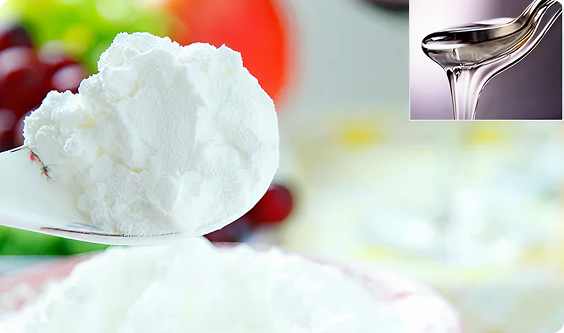
Saccharification Enzymes
Saccharification enzymes convert dextrins into fermentable sugars, directly impacting ethanol yield and fermentation efficiency. Effective saccharification is essential for maximizing glucose availability and minimizing residual sugars.
Industry Challenges
- Incomplete dextrin-to-glucose conversion
- High residual sugars affecting ethanol recovery
- Inconsistent sugar profiles for fermentation
- Longer fermentation cycles
NRBPL Solutions
- High-efficiency saccharification enzymes for grain ethanol plants
- Improved glucose yield with minimal sugar losses
- Stable performance across process conditions
- Enhanced sugar utilization for higher ethanol output
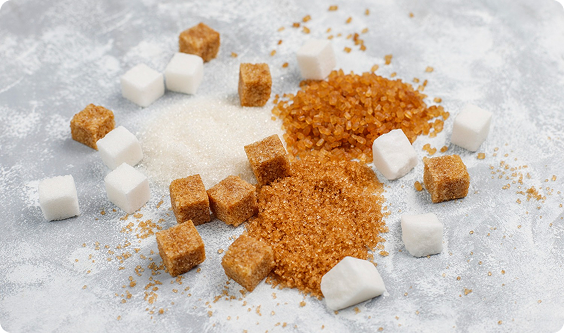
Fermentation Enhancers
Fermentation enhancers for ethanol distilleries support yeast health, metabolism, and stress tolerance under high gravity and fluctuating process conditions, ensuring consistent alcohol production.
Industry Challenges
- Sluggish or stuck fermentations
- Yeast stress due to high sugar or alcohol levels
- Variable fermentation time and yield
- Reduced yeast viability
NRBPL Solutions
- Specialized ethanol fermentation enhancers
- Improved yeast nutrition and stress resistance
- Faster and more consistent fermentation cycles
- Enhanced alcohol yield and process stability
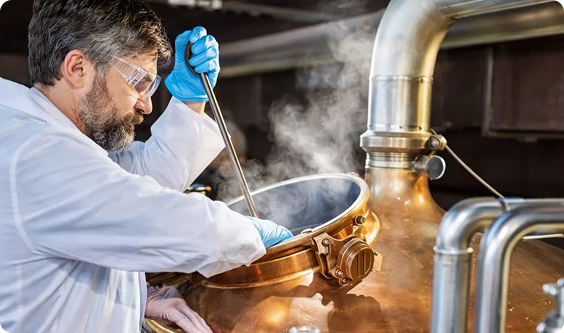
Contamination Control
Contamination control in ethanol fermentation is critical to prevent yield losses caused by lactic acid bacteria and other microbial contaminants that compete with yeast for sugars.
Industry Challenges
- High lactic acid formation
- Reduced ethanol yields due to bacterial competition
- Over-dependence on antibiotics
- Unstable fermentation performance
NRBPL Solutions
- Targeted contamination control solutions for distilleries
- Selective suppression of harmful bacteria
- Yeast-safe formulations for stable fermentation
- Reduced fermentation losses and improved consistency

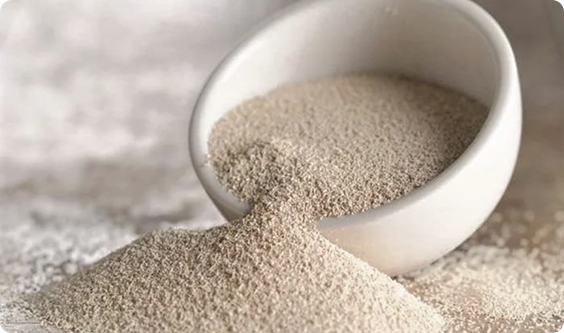
Active Dry Yeast
Active dry yeast for ethanol production determines fermentation speed, alcohol tolerance, and overall plant consistency. Selecting the right yeast strain is crucial for reliable ethanol recovery.
Industry Challenges
- Slow fermentation start-up
- Poor yeast viability under stress conditions
- Inconsistent alcohol yield
- Yeast performance variation with raw materials
NRBPL Solutions
- High-performance active dry yeast for ethanol distilleries
- Rapid fermentation initiation and strong viability
- High ethanol and temperature tolerance
- Technical guidance on pitching and fermentation management
Services in Enzymes & Bioproducts
Specialized enzyme and bioproduct solutions, tailored to the unique process and performance requirements of diverse industrial bioprocesses.
Liquefaction Enzymes
Industry Challenges
- High mash viscosity leading to poor heat transfer
- Incomplete starch liquefaction due to variable grain quality
- Higher energy consumption during cooking
- Reduced fermentable sugar availability
NRBPL Solutions
- High-temperature tolerant liquefaction enzymes for ethanol production
- Optimized viscosity reduction for rice and maize mashes
- Consistent dextrin formation across variable raw materials
- Technical support for dosage and process optimization
Saccharification Enzymes
Saccharification enzymes convert dextrins into fermentable sugars, directly impacting ethanol yield and fermentation efficiency. Effective saccharification is essential for maximizing glucose availability and minimizing residual sugars.
Industry Challenges
- Incomplete dextrin-to-glucose conversion
- High residual sugars affecting ethanol recovery
- Inconsistent sugar profiles for fermentation
- Longer fermentation cycles
NRBPL Solutions
- High-efficiency saccharification enzymes for grain ethanol plants
- Improved glucose yield with minimal sugar losses
- Stable performance across process conditions
- Enhanced sugar utilization for higher ethanol output
Fermentation Enhancers
Fermentation enhancers for ethanol distilleries support yeast health, metabolism, and stress tolerance under high gravity and fluctuating process conditions, ensuring consistent alcohol production.
Industry Challenges
- Sluggish or stuck fermentations
- Yeast stress due to high sugar or alcohol levels
- Variable fermentation time and yield
- Reduced yeast viability
NRBPL Solutions
- Specialized ethanol fermentation enhancers
- Improved yeast nutrition and stress resistance
- Faster and more consistent fermentation cycles
- Enhanced alcohol yield and process stability
Contamination Control
Contamination control in ethanol fermentation is critical to prevent yield losses caused by lactic acid bacteria and other microbial contaminants that compete with yeast for sugars.
Industry Challenges
- High lactic acid formation
- Reduced ethanol yields due to bacterial competition
- Over-dependence on antibiotics
- Unstable fermentation performance
NRBPL Solutions
- Targeted contamination control solutions for distilleries
- Selective suppression of harmful bacteria
- Yeast-safe formulations for stable fermentation
- Reduced fermentation losses and improved consistency
Active Dry Yeast
Active dry yeast for ethanol production determines fermentation speed, alcohol tolerance, and overall plant consistency. Selecting the right yeast strain is crucial for reliable ethanol recovery.
Industry Challenges
- Slow fermentation start-up
- Poor yeast viability under stress conditions
- Inconsistent alcohol yield
- Yeast performance variation with raw materials
NRBPL Solutions
- High-performance active dry yeast for ethanol distilleries
- Rapid fermentation initiation and strong viability
- High ethanol and temperature tolerance
- Technical guidance on pitching and fermentation management
Need a Custom Solution?
Our technical team can develop customized enzyme formulations and process solutions tailored to your specific feedstock and plant requirements.
Why Choose NRBPL Enzymes & Bioproducts?
consistent improvements in process efficiency, yield enhancement, and operational stability.
Yield Enhancement
Improved conversion efficiency through targeted enzymatic action for higher product output
Process Stability
Stable and predictable performance across variable raw materials and operating conditions
Loss Reduction
Minimized process losses through optimized biochemical reactions and control strategies
Product Consistency
Enhanced quality uniformity through controlled enzymatic processing
Operational Efficiency
Reduced processing time, energy consumption, and overall operating costs
Performance Optimization
Process diagnostics, optimization trials, and continuous technical support
Trusted by world-class
brands and organizations
of all sizes.
Our prestigious domestic client is DCM Sriram Limited, Parle Sugar, Simbhaoli Sugars, Seksaria Biswa Sugar, KM sugar Mills, Riga Sugar, HPCL Biofuels Ltd and Balrampur Chini Mills Ltd etc. Company has international clients also.